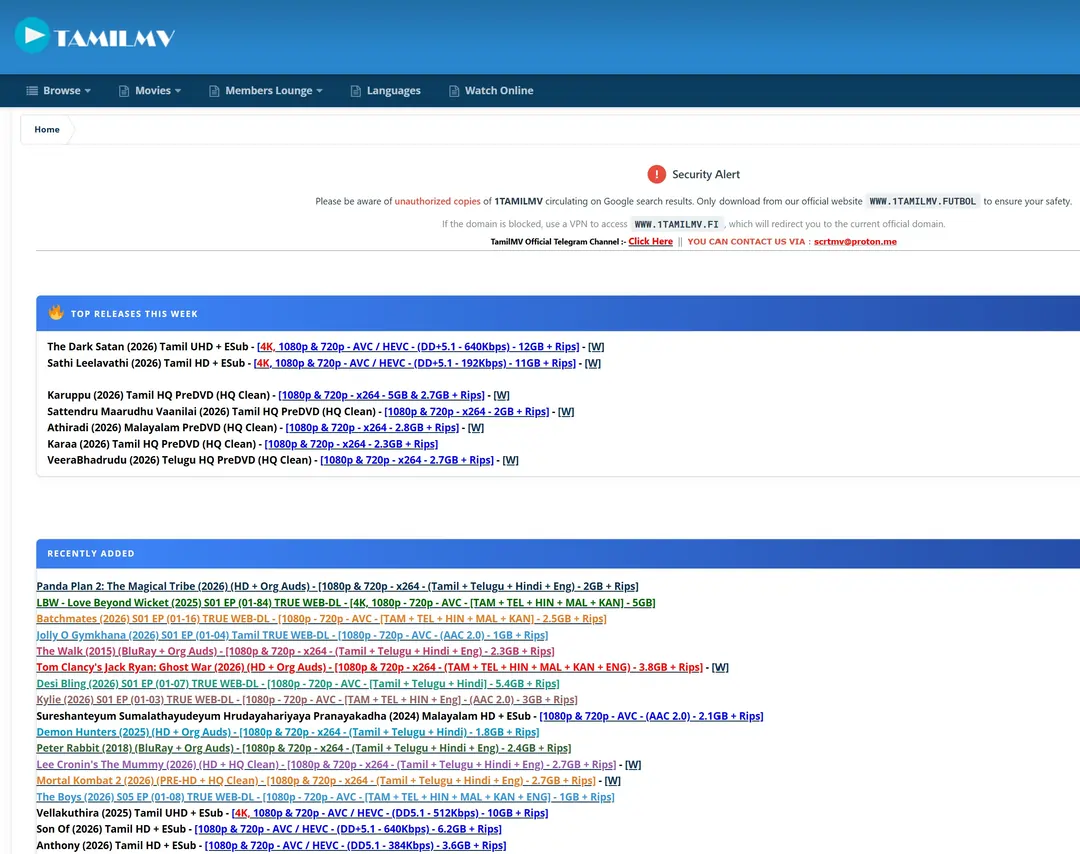

The Dynamics of Enterprise Web Routing & Public Domain Migrations
In modern web engineering, managing platform scalability for thousands of simultaneous user requests requires continuous architectural oversight.
Platforms within the entertainment and digital media distribution industries, exemplified by the Tamilmv network, regularly modify their active top-level domains. These structural shifts are essential response protocols designed to handle high bandwidth saturation.
When an existing directory path stops responding, it usually means the network administrators have shifted infrastructure tracking to an updated secondary node, such as the active 1tamilmv.cards database matrix.
Tracking these structural transitions dynamically through a central index ensures clean data lookup resolutions and assists network engineers in understanding traffic trends across public resource repositories.
Standard Technical Protocols for Secure Data Lookups
To safely navigate high-traffic data systems and avoid corrupted caches, implementing basic digital asset safety protocols is recommended:
- Flush Local Resolver Cache: Operating systems often retain outdated network pathways. Executing a standard DNS flush forces your system to retrieve clean records from root servers instantly.
- Implement Standard Network Encryption: Utilizing modern encrypted networking tunnels (VPNs) adds an essential layer of personal privacy, protecting data requests from external monitoring.
- Maintain Extended Web Protection: Employing trusted web browser configurations or tracking protection plugins preserves system performance by preventing background scripts from executing.
Structural Integrity: Analyzing Load Balancing
The efficiency of an online index relies heavily on load-balancing scripts that intelligently divide incoming traffic requests across global server clusters. This ensures uninterrupted query responses even during high-demand peak hours.
For public entertainment databases, data files are structurally unique due to the insertion of specialized multi-language multiplexed container tracking. A single entry often carries multiple synchronized localized audio layers alongside independent subtitle metadata paths.
By studying how complex media networks transition across domains, developers gain practical insights into implementing real-world Anycast routing networks and configuring fault-tolerant cloud infrastructures.